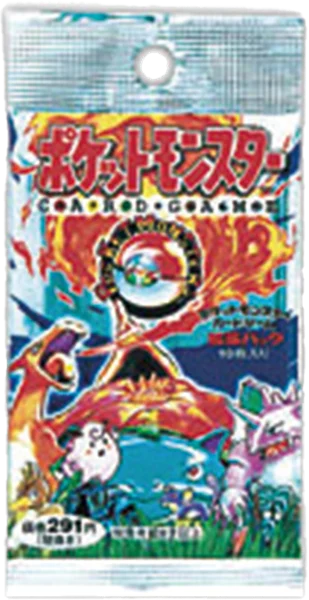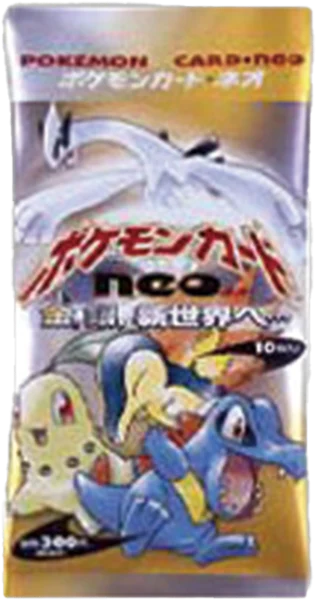
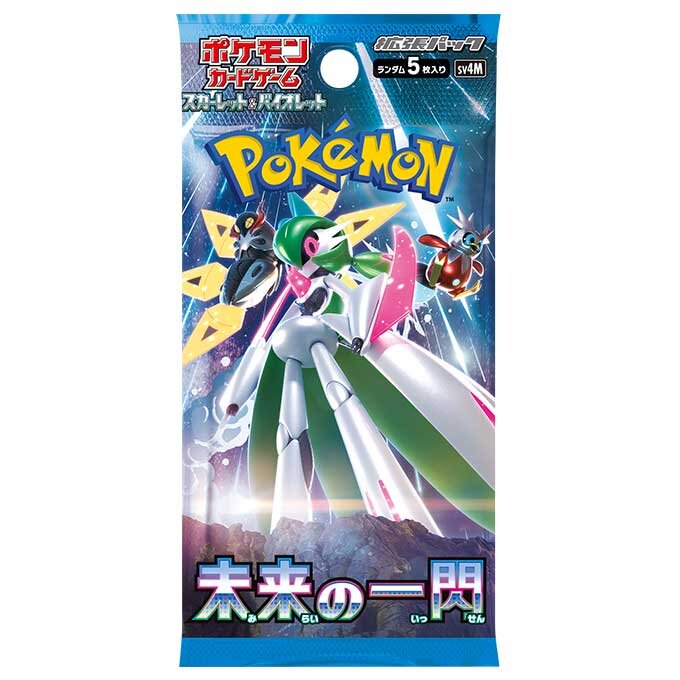
A calendar square with two packs immediately attracts attention. The names might answer each other, the artwork might offer contrasting colors, or the releases might belong to different parts of the card game. The useful first question is what exactly are we counting?
Grouping the current archive's 186 entries by year and month gives 153 occupied squares. Of those, 121 contain one entry, 31 contain two, and one contains three. About one in five occupied squares holds two entries. Add the triple and 32 months contain more than one item: about 21% of the occupied calendar.
Some squares read like a pair
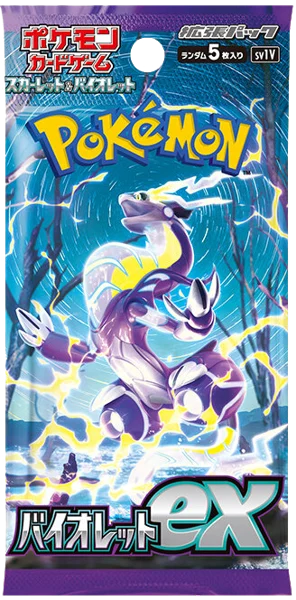
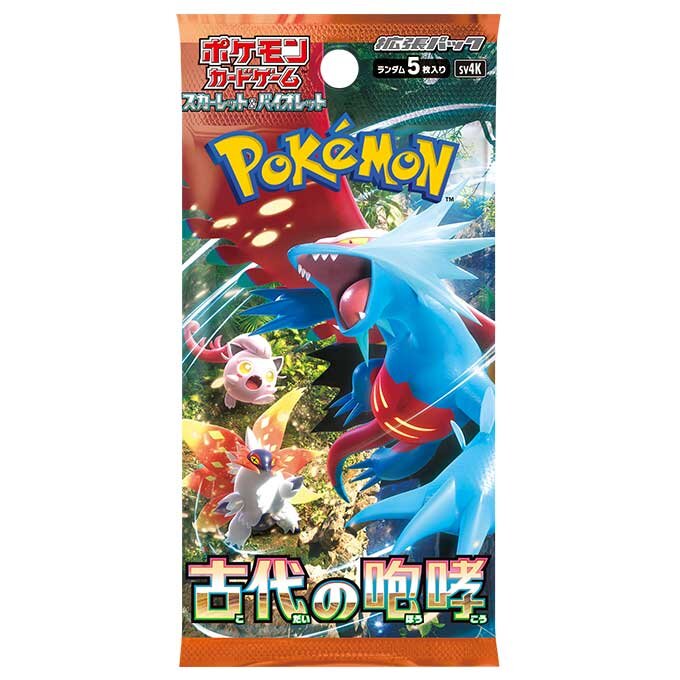
January 2023 contains スカーレットex and バイオレットex. October of that year contains 古代の咆哮 and 未来の一閃, Ancient Roar and Future Flash. In both cases, contrasting names make the relationship easy to notice before reading a card list.
The pattern is visible further back, too. The archive's first two-entry month is November 2006, holding the Diamond Collection and Pearl Collection entries. That is the first double in this collection, not a claim about the first paired products ever sold.
| Month recorded in the archive | Entries in the square |
|---|---|
| November 2006 | Diamond Collection; Pearl Collection |
| January 2023 | Scarlet ex; Violet ex |
| October 2023 | Ancient Roar; Future Flash |
Scarlet & Violet contributes 25 entries across 20 occupied months, including five double-entry months. Looking only at pack totals would make its calendar seem busier than counting the months with something recorded. Both views are useful, but they answer different questions.
A double is not always a companion pair
April 2017 puts THE BEST OF XY beside 新たなる試練の向こう. One belongs to XY in the archive and the other to Sun & Moon. This is the only occupied square in the current data that spans two eras. Filtering the calendar to either era hides half of that square, so a filtered view can change the apparent pattern.
July 2015 gives another reason to read the labels. Its two entries are yellow and blue package variants of the same named 伝説キラコレクション collection, and they share one stored product URL. Counting the two images as two independently identified expansions would add a claim the data does not support.
The one triple deserves a closer look
The April 2019 square contains ジージーエンド, 名探偵ピカチュウ, and スカイレジェンド. It is the only three-entry square in this snapshot. That makes it a useful place to pause, not a reason to assume three products arrived on the same day.
The archive records months, inherited from the original table. Those placements have not been independently checked against official release dates. A shared square establishes how these entries were recorded together; it does not establish a shared release day or even a single coordinated launch.
Read a crowded square in three steps: count its entries, inspect their names and eras, then follow the available product sources if timing matters. The local archive data keeps those distinctions visible. The calendar becomes more interesting when a pair is the beginning of a question, rather than the answer.